Free Yourself. Fly FreeBird.
BEST-IN-CLASS ROCK-SOLID PERFORMANCE
KEY FEATURES
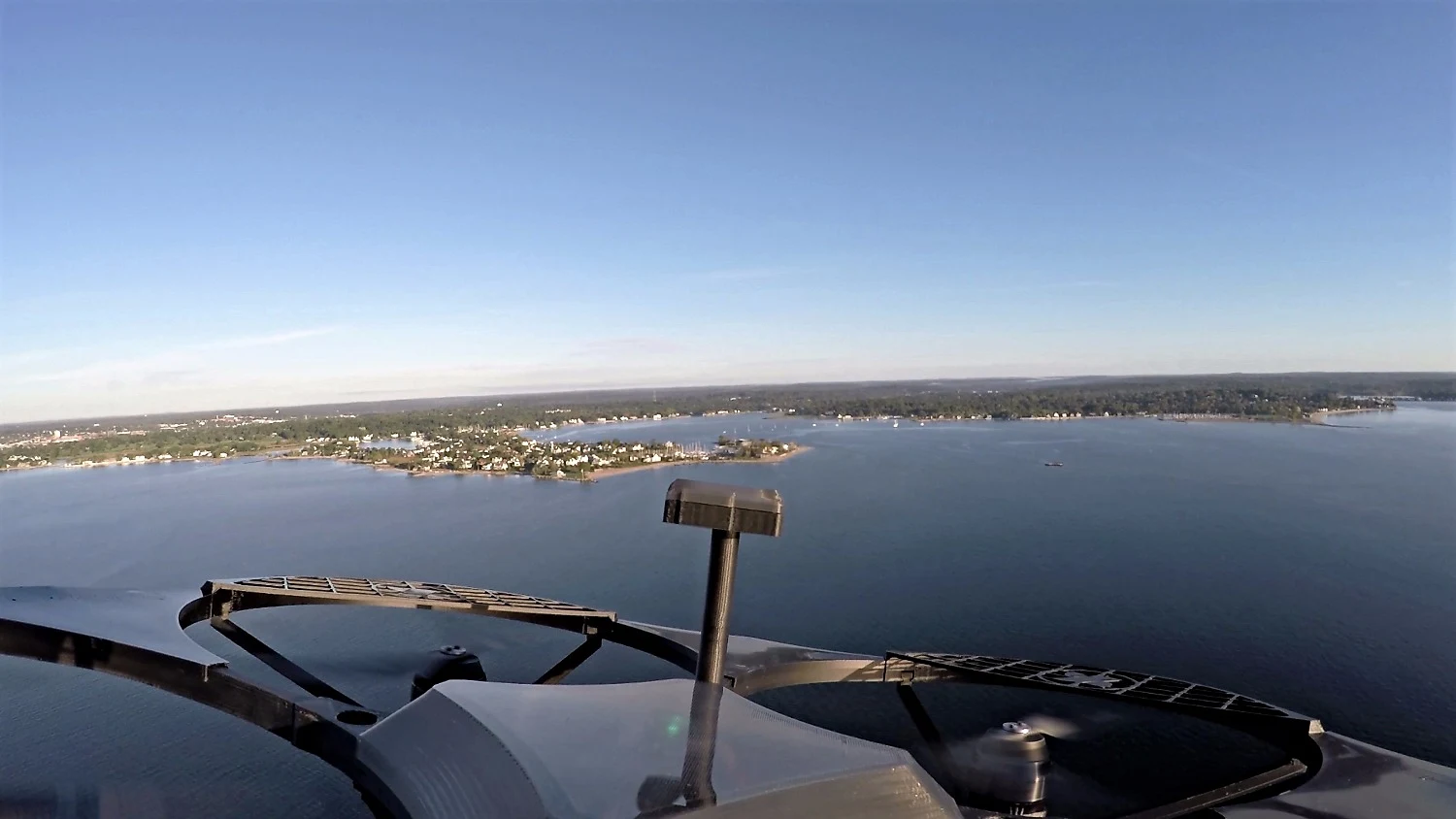
Structurally-enclosed patent-pending carbon fiber SurroundFrame
Ability to bump into objects while flying
Weather-proof (rain, snow, 50MPH winds)
20-pound payload capacity
12-15 mile range
Up to 45 min. flight time with GoPro on 3-axis gimbal
Up to 30 mins flight time with 2kg payload
55MPH top speed
Fully-autonomous flight from take-off To landing
Integrated Lidar for enhanced position hold accuracy near the ground or locations where GPS signals are weak or non-existent
Redundant IMUs, barometers and power supplies to the autopilot for enhanced safety
New Feature: Autonomous takeoff and flight at pre-specified UTC Time
Allows missions to be planned and initiated hours in advance of the actual flight and repeated on a regular basis as well, without additional operator input.
Vehicle can automatically arm itself and take-off at the specified time.
MN-8 latest generation GPS using GPS, Galileo and Glonass (acquires on average 18-20 satellites with 1-foot average position accuracy)
RTK-ready for centimeter-level position precision
Automatic Failsafe Return-to-Home feature in the event of remote control signal loss, low battery or predefined GPS fence breach (each can be enabled or disabled by the operator depending on circumstances)
New Feature: Polygon fences are now supported, allowing for unprecedented control of flight boundaries over industry-standard circular fences
High Speed Autonomous Flight
-
This flight covers a 1.2 mile loop at an altitude of 50 ft. set to a maximum speed of 20 m/s (45 MPH) with wind speeds around 25 MPH.
-
The autopilot maximizes speed within the constraints of the flight, such as maintaining altitude, stability, smooth turns, etc.
-
Maximum speed obtained was 19 m/s (42 MPH). Average speed was 14 m/s (31 MPH).
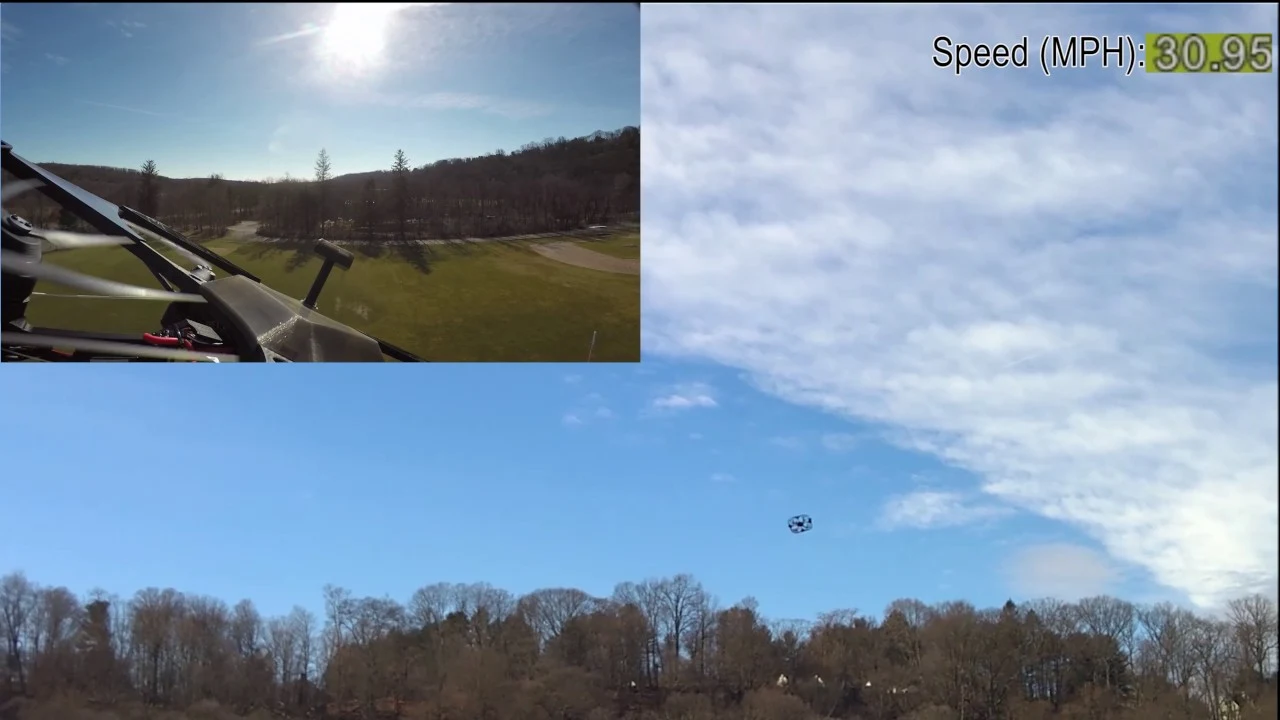 1 Mile Autonomous High Speed 42 MPH Max Speed @ 50 ft alt. with 25MPH Winds
Steady Video in 35MPH Wind Gusts
-
While we tend to produce videos shot from the top of FreeBird One to demonstrate the vehicle's handling in the air, we mounted the camera and gimbal to the front for this video to demonstrate FreeBird One's ability to get fairly steady shots even in very gusty winds.
-
At 35MPH peak gusts, the DJI Phantom, Mavic and Inspire would be hard pressed to hold a position and altitude this accurately, if not prone to loss of control, as these wind speeds are nearly twice the maximum wind rating for those vehicles.
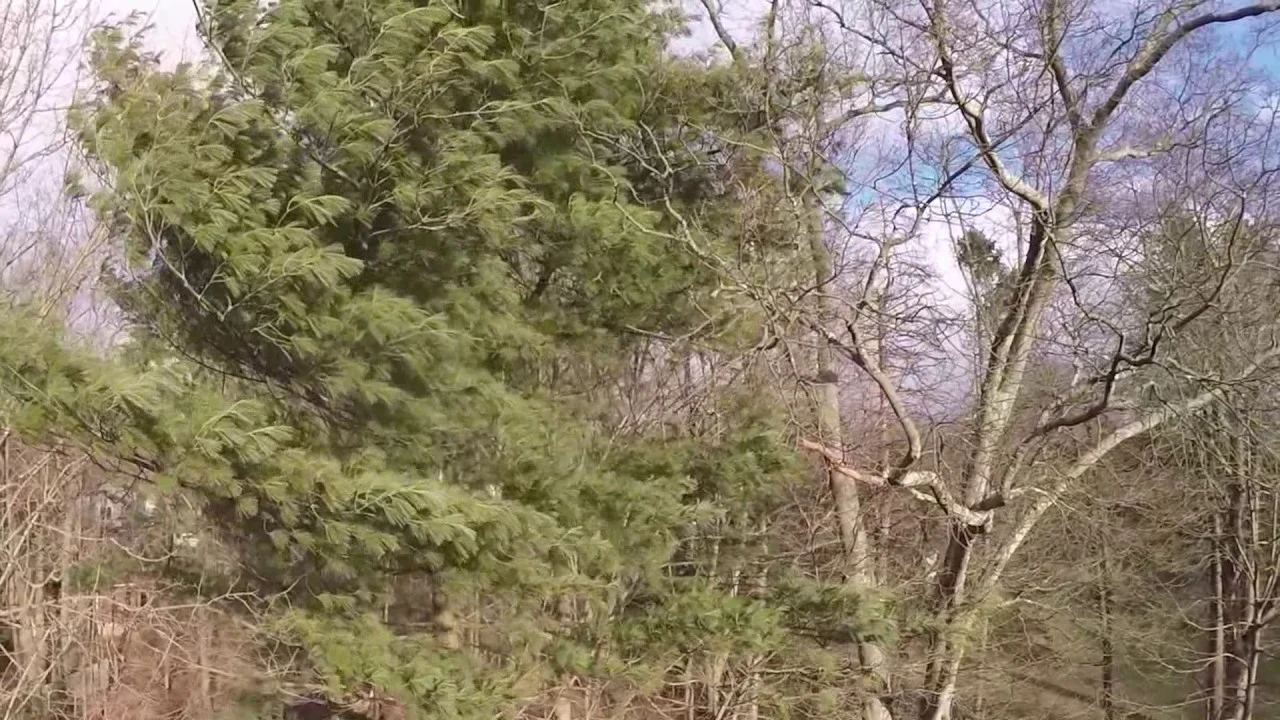 FreeBird One video 4
FreeBird One Position Hold in 50MPH Wind Gusts
-
This video features the best part of our longer "FreeBird One Conquers 50+ MPH Winds".
-
Note how the frame quickly disappears from view as a gust that we measured at 54MPH hits FreeBird One. The drone pitches forward more than 30 degrees to hold its position against this gust.
-
Watch the background image after the frame disappears from site and note that it remains virtually unchanged the entire time.
-
There are very few commercially-available industrial-quality UAVs that could generate a video like this.
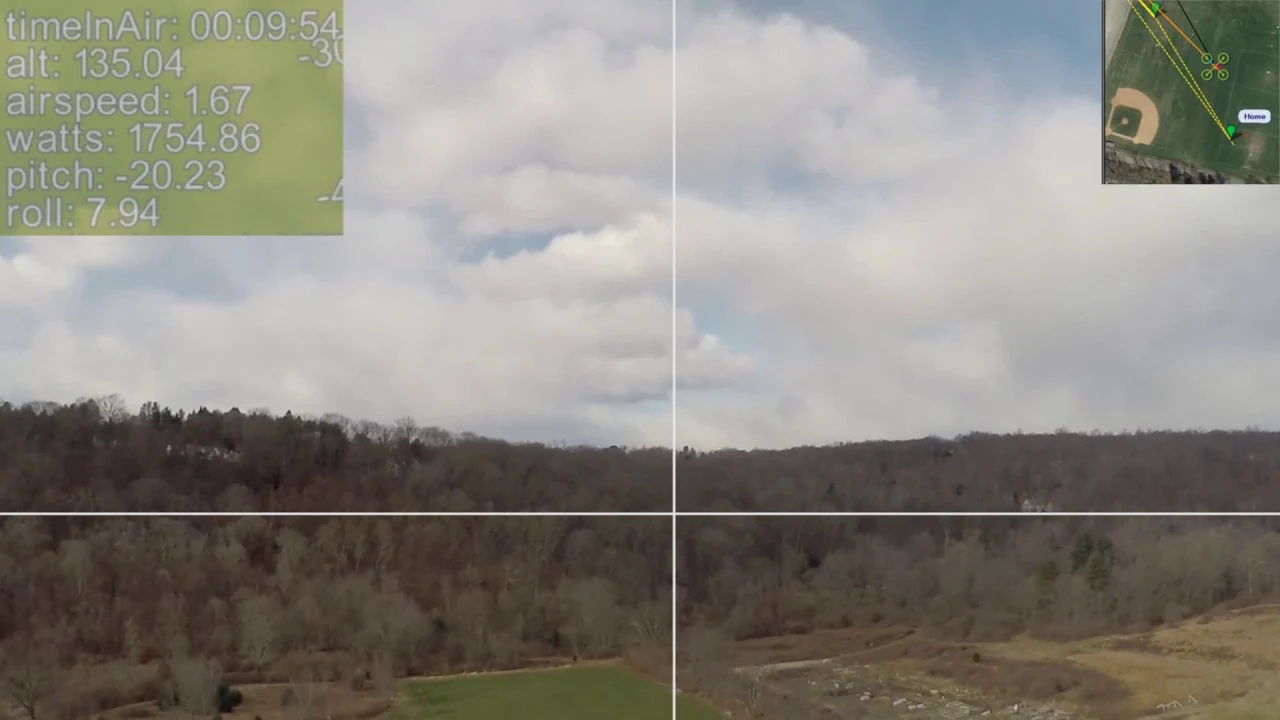 FreeBird One Position Hold in 50MPH Wind Gusts
Heavy Lift High Speed Flight
-
In this video, we flew a straight line back and forth followed by a manual loop while carrying barbells and extra weight in the form of extra batteries that were not connected to create deadweight.
-
Total weight in the air was 25 pounds, with 17.5lb of payload including batteries. Handling was solid, and top speed reached was 38 MPH before slowing down to reverse direction.
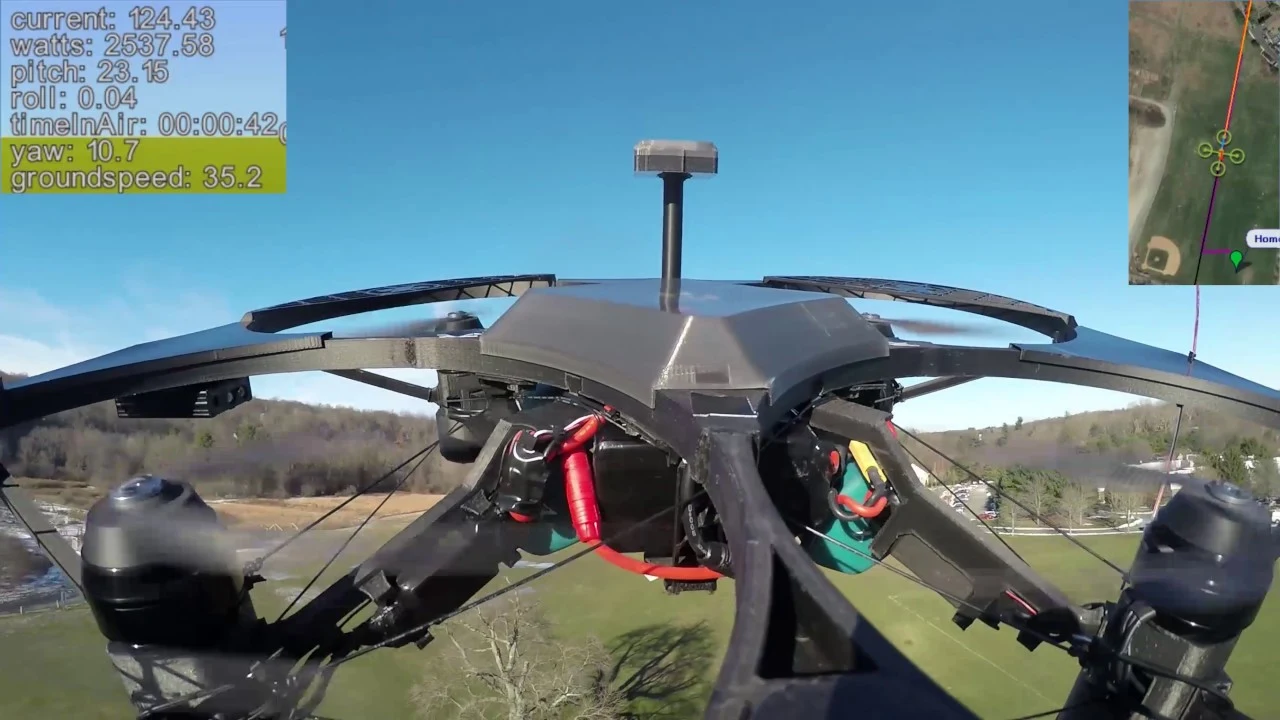 Heavy Lift High Speed Test (17.5lb payload/25lb flying weight/38MPH Top Speed)
5-Mile Autonomous Flight Through Passing Shower and Winds
-
This flight covers about a 5-mile loop. Altitude was 350 ft and remained in line-of-sight.
-
Due to the large size of FreeBird One (3 feet in diameter), bright navigation lights under the landing pads, and black frame, it can be flown much greater distances under line-of-sight requirements than smaller UAVs like the DJI Phantom.
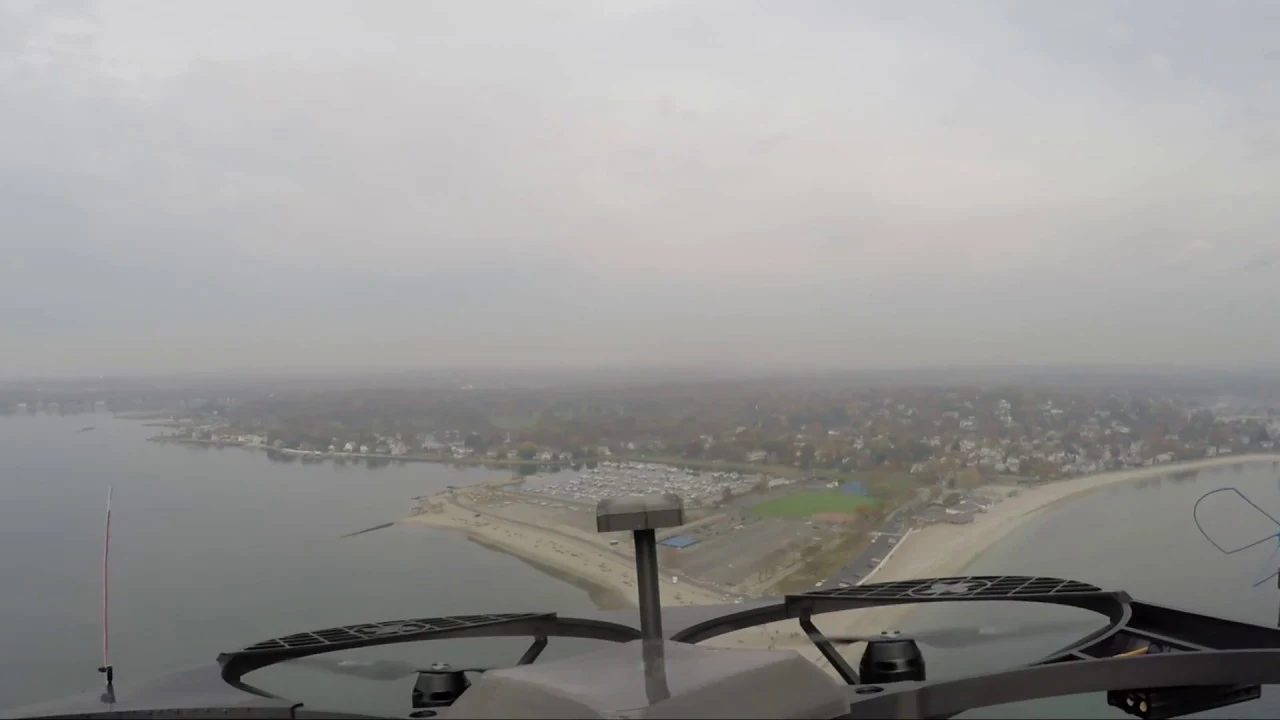 5-Mile Autonomous Flight Through Passing Shower and Winds
1 Mile Autonomous Flight - 22 MPH
This flight, made in December 2016, demonstrates enhanced attitude control from recent tuning improvements and firmware upgrades.
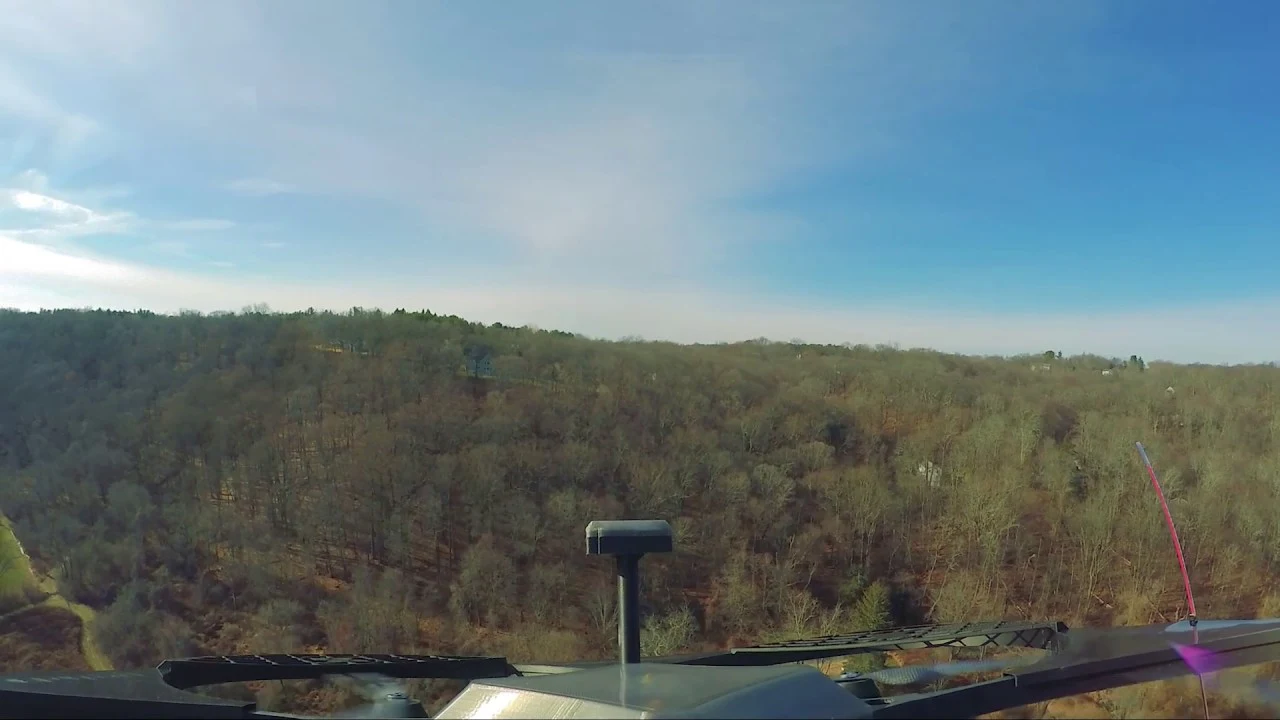 1 Mile Autonomous Flight - 22 MPH
ADDITIONAL SPECS
Weight
Frame with Covers: 3.5 Pounds/1.6
FreeBird One Without Batteries: 7.5 Pounds/3.4kg
Minimum Liftoff Weight: 11 Pounds/5kg
Maximum Liftoff Weight: 28 Pounds/12.7kg
Motors
Brand: T-Motor U7 Professional 490kv X 4
Power: 1,300 Watts
Voltage: 6S LIPO or LIHV
Propellers
T-Motor 15X5 Carbon Fiber X 4
Auxiliary Power
Available Power Supplies: 12V and 5V
Flight Control System
Pixhawk
ESC
Current: 80A (Continuous); 100A (*Burst) X 4
Battery
Voltage: 6S LIPO or LIHV
Size: 10AH-54AH
Recommended: 27AH 6S LIHV